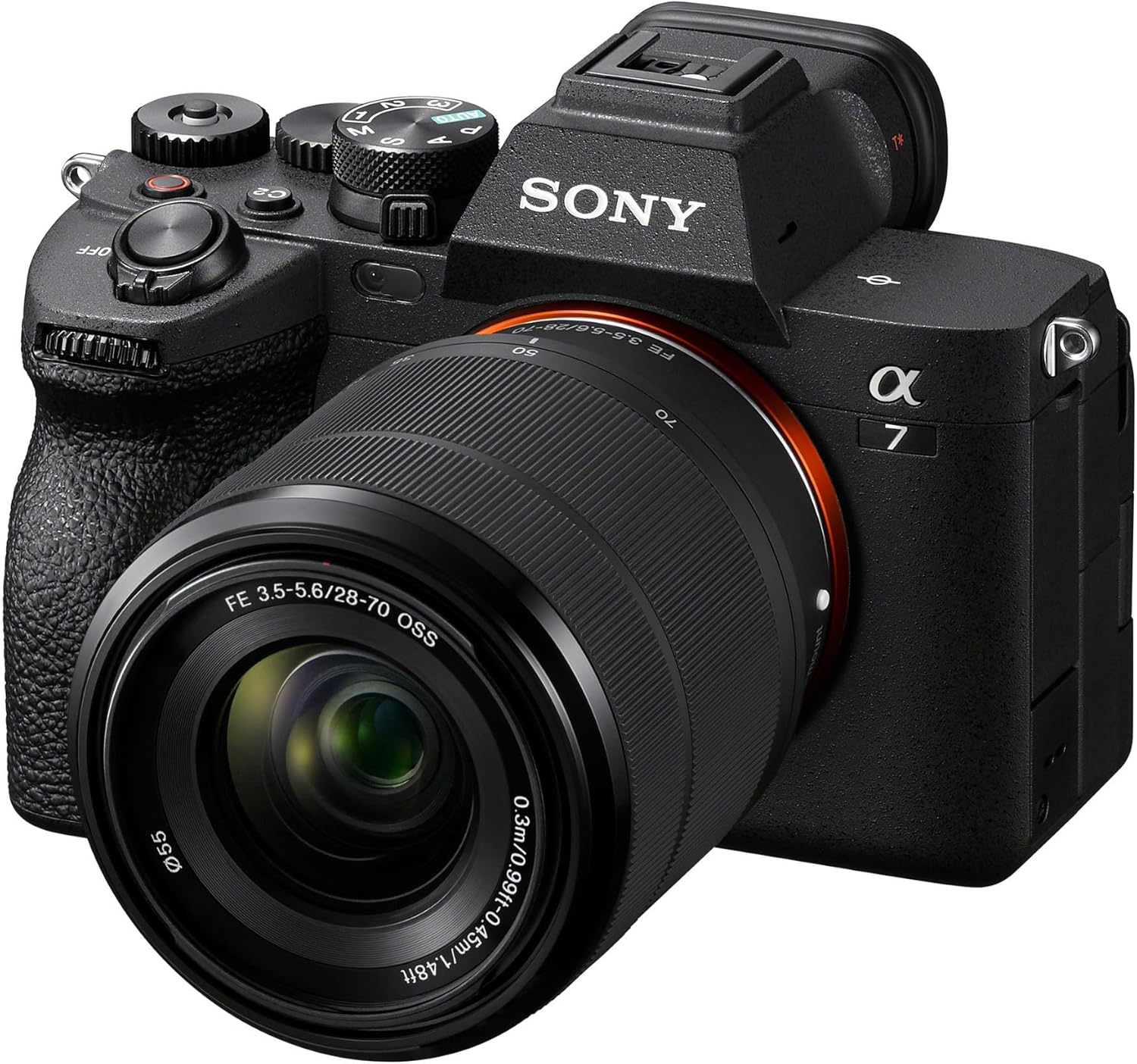
Six months ago, I bought the Sony Alpha 7 IV. Not because I needed a new camera—my old one was still working fine. But because I was curious. Curious about whether a camera could actually live up to the hype. Curious about whether all those specifications would translate to better photos and videos in the real world.
Spoiler: it does. But not in the ways I expected.
Why I Bought It (And Why That Matters)
Let's get the obvious out of the way: the Alpha 7 IV is a hybrid camera. It shoots photos and video, and it's supposed to do both well. I'm a photographer who occasionally needs to shoot video, so this seemed like the perfect fit. But here's what I've learned: "hybrid" doesn't mean "compromise." It means "versatile."
The 33-megapixel sensor was the first thing that caught my attention. Not because 33MP is revolutionary (it's not), but because it's practical. I've used 24MP cameras that left me wanting more detail when cropping. I've used 50MP cameras that created storage headaches. Thirty-three megapixels? It's the Goldilocks zone. Enough resolution for commercial work, manageable file sizes, and detail that holds up when you need to crop.
The Autofocus: Where the Magic Actually Happens
If I had to pick one feature that justifies the Alpha 7 IV's price tag, it would be the autofocus system. The 759 phase-detection points covering 94% of the frame sounds impressive on paper, but here's what it means in practice: I don't think about focus anymore.
I shoot a lot of portraits, and the Real-time Eye AF for humans is so reliable that I've stopped using single-point autofocus entirely. The camera finds the eye, locks on, and stays locked even when the subject moves. It works in low light, it works with moving subjects, and it works in video mode too.
But here's the real test: I took the camera to a wildlife photography workshop. We were shooting birds in flight—fast, unpredictable, constantly changing direction. My instructor was using a camera that costs twice as much, and by the end of the day, we were comparing shots. The Alpha 7 IV kept up. The Eye AF for animals tracked bird eyes with an accuracy that genuinely surprised me. I came home with more keepers than I've ever gotten from a wildlife shoot.
Video: The Surprise Winner
I'll be honest: I bought this camera primarily for photography. The video features were a bonus. But after six months, I've shot more video with the Alpha 7 IV than I have with any previous camera. Here's why.
The 4K recording at 30p with 7K oversampling produces footage that looks professional. Not "good enough" professional. Actually professional. I've shot corporate videos, event coverage, and personal projects, and the footage consistently impresses clients and editors alike.
The 10-bit 4:2:2 color sampling and S-Log3 profiles give you flexibility in post-production that I didn't fully appreciate until I started using them. You can push the color grading pretty far without the image falling apart. For someone who's not a professional colorist, this is huge. I can make mistakes in post and still recover.
The one limitation: 4K 60p is only available in Super 35mm crop mode. If you specifically need full-frame 4K 60p, you'll need to look at more expensive options. But honestly? I've rarely needed it. The 4K 30p full-frame footage is so good that 60p feels like a luxury, not a necessity.
The Body: Where Form Meets Function
Sony cameras have a reputation for being feature-packed but ergonomically challenging. The Alpha 7 IV addresses this. The redesigned grip is deeper and more comfortable. After a full day of shooting—and I mean eight hours straight—my hand doesn't cramp. That might seem like a small thing, but when you're shooting an event or a wedding, comfort matters.
The fully articulating touchscreen is a game-changer for video work. I can flip it out, see what I'm shooting, and adjust settings without contorting myself into awkward positions. The 3.69-million-dot electronic viewfinder is crisp and clear, and I actually prefer it to optical viewfinders now. Being able to see exactly how the exposure will look before I press the shutter eliminates a lot of guesswork.
The menu system is still Sony's menu system—which means it's comprehensive but can be overwhelming. However, it's more intuitive than previous models, and once you customize the function buttons and menu shortcuts, you rarely need to dive deep into the menus.
Stabilization: The Unsung Hero
The 5-axis in-body image stabilization providing up to 5.5 stops of shake reduction is one of those features you don't fully appreciate until you use it. I've shot handheld at shutter speeds that would have been impossible with my previous cameras. Low-light situations that used to require a tripod? Now I can shoot handheld and get sharp results.
This isn't just about convenience—it's about creative freedom. When you're not constantly worrying about camera shake, you can focus on composition, timing, and capturing the moment. The stabilization works in video too, and while it's not gimbal-smooth, it's good enough for most situations. I've shot entire video sequences handheld that looked stable enough to use without additional stabilization in post.
Real-World Performance: The Numbers That Matter
Let's talk about what actually matters when you're using the camera day-to-day.
Battery life: Sony claims approximately 530 shots per charge (CIPA standard). In real-world use, I consistently get 600-700 shots, and that's with heavy use of the viewfinder and autofocus. For video, I can shoot for about 90 minutes of continuous recording before the battery dies. It's not class-leading, but it's good enough for most situations.
File sizes: RAW files are about 40-50MB each. That's manageable, but if you're shooting a lot, you'll need storage. I use 128GB cards, and I can fit about 2,500 RAW files on one card. The dual card slots (CFexpress Type A and SD UHS-II) mean you can record to both simultaneously for backup, which is essential for professional work.
ISO performance: The camera handles high ISO well. I regularly shoot at ISO 3200 and 6400, and the noise is manageable. At ISO 12800, things start to get noisy, but it's still usable for web or social media. Beyond that, it gets dicey, but that's true of most cameras in this class.
Dynamic range: This is where the Alpha 7 IV really shines. The sensor captures a wide dynamic range, which means you can recover a lot of detail from shadows and highlights in post-production. I've "saved" photos that were significantly underexposed or overexposed, and the results were surprisingly good.
What I Wish Was Better
No camera is perfect, and the Alpha 7 IV has its limitations.
The 4K 60p crop is a real limitation if you need that specific feature. The menu system, while improved, is still Sony's menu system (which means it's comprehensive but can be overwhelming). The battery life is good but not exceptional. The price point puts it in a category where expectations are high.
But here's the thing: after six months of use, these limitations haven't prevented me from getting the shots I need. They're annoyances, not dealbreakers.
Who Should Buy This
The Alpha 7 IV is perfect for:
- Photographers who occasionally shoot video
- Videographers who need great stills
- Hybrid shooters who do both professionally
- Anyone who wants a camera that doesn't force you to choose between photography and videography
It's probably overkill for:
- Casual photographers who only shoot occasionally
- Pure videographers who don't need stills (the FX3 might be better)
- Pure photographers who don't need video (the A7R V might be better)
The Bottom Line
After six months with the Sony Alpha 7 IV, I can confidently say it's the best camera I've owned. Not because it's perfect (it's not), but because it does what I need it to do, reliably, day after day.
The autofocus system is genuinely excellent. The image quality is professional-grade. The video capabilities are impressive. The build quality is solid. The ergonomics are improved. The feature set is comprehensive.
But more than that, the Alpha 7 IV has become the camera I reach for without thinking. It's reliable, it's capable, and it gets out of the way so I can focus on creating. And isn't that what we all want from our tools?
If you're looking for a camera that excels at both photography and videography, if you want autofocus that actually works, if you need image quality that stands up to professional scrutiny, the Alpha 7 IV delivers. It's not cheap, but it's worth every penny if you're serious about your craft.
Six months later, I'm still discovering new ways to use it. And that, more than any specification, is why I'd recommend it.
Technical Specifications
- Sensor: 33MP full-frame back-illuminated Exmor R CMOS
- Processor: BIONZ XR
- Autofocus: 759 phase-detection points covering 94% of frame
- Eye AF: Real-time tracking for humans, animals, and birds (stills and video)
- Video: 4K 60p (Super 35mm crop), 4K 30p (full-frame with 7K oversampling)
- Color: 10-bit 4:2:2, S-Cinetone, S-Log3
- Stabilization: 5-axis in-body, up to 5.5 stops
- Viewfinder: 3.69-million-dot OLED EVF
- LCD: 3-inch vari-angle touchscreen
- Card Slots: CFexpress Type A, SD UHS-II (dual slots)
- Battery Life: Approximately 530 shots (CIPA standard)
- Connectivity: USB streaming, Wi-Fi, Bluetooth
- Build: Weather-sealed magnesium alloy body
Review based on six months of real-world use across multiple photography and videography scenarios, including portraits, wildlife, events, corporate video, and personal projects. All specifications verified against official Sony documentation and independent testing sources.